
Transaction Preparation
Strategic Documentation
Most businesses are not ready for a serious transaction.
Not because the business itself is weak — but because the documentation is.
Buyers, lenders, and investors make decisions based on clear information, structured thinking, and credible financials. If those things are missing, even a strong business can struggle to attract serious interest.
Unfortunately, many owners only start thinking about this far too late — often when they are already trying to sell, raise capital, or acquire another company.
Preparing a business for a transaction is not just about having financial statements.
It is about presenting the business in a way that serious decision-makers can understand, evaluate, and trust.
At the same time, strong documentation is not only about transactions. It is also one of the most powerful tools an owner has for running a stronger business.
That is where this work matters.
At Grounded Growth, we help business owners build the documents that serious buyers, lenders, investors, and operators rely on to make clear decisions.
Not generic templates.
Not consultant buzzwords.
Real documents built the way experienced operators and dealmakers actually read them.
The Two Documents That Drive Most Business Decisions
When preparing for a sale, acquisition, financing, or strategic growth, two documents usually do most of the work.
Each serves a different purpose, and both require structured thinking.
Confidential Information Memorandum (CIM)
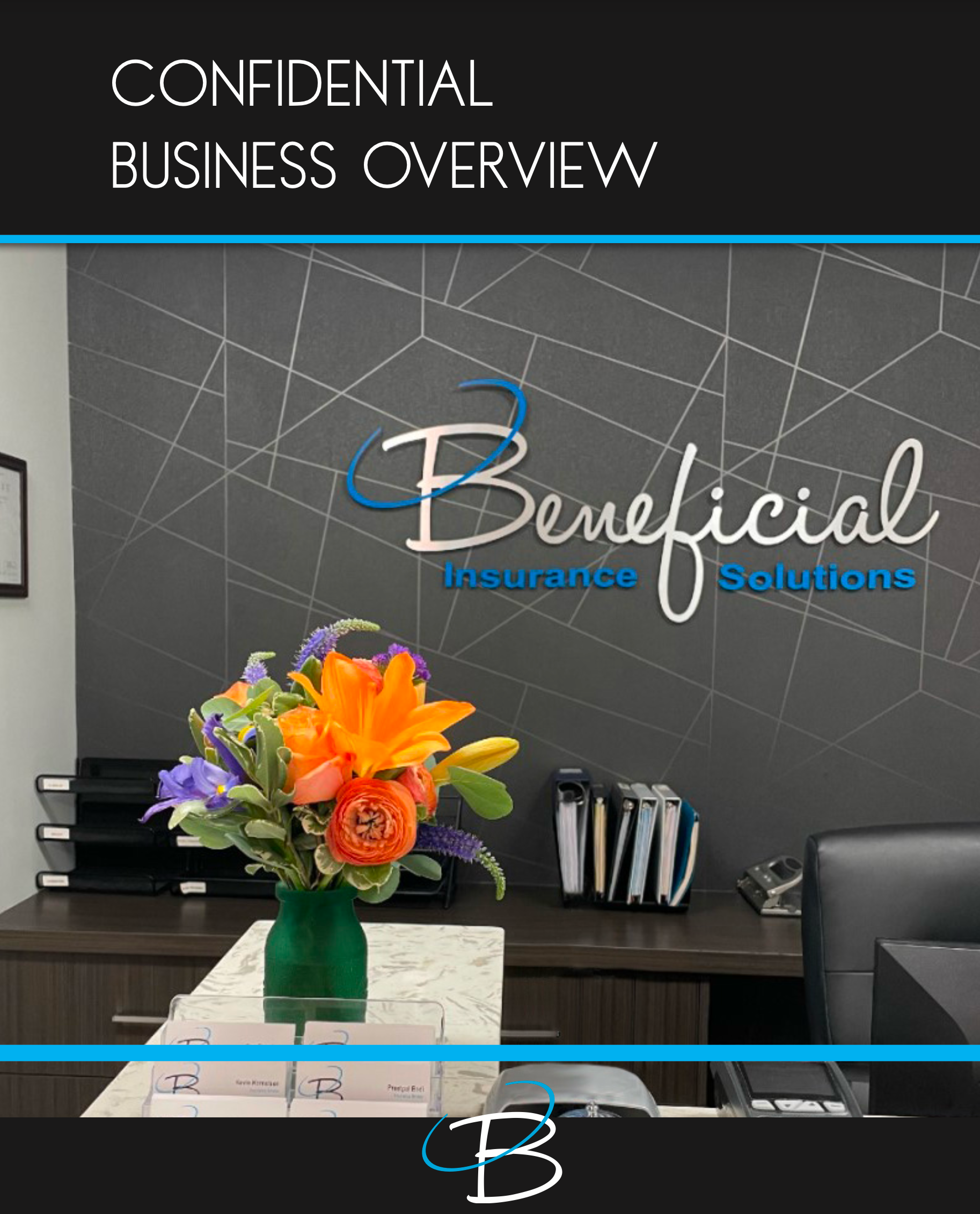
A Confidential Information Memorandum is the primary document used when presenting a business to qualified buyers.
It explains the business clearly, outlines financial performance, highlights strengths and opportunities, and provides the information buyers need to evaluate the opportunity.
A well-constructed CIM does more than present numbers — it
tells the story of the business in a way that builds confidence with potential buyers and helps them quickly understand why the business is worth serious consideration.
Business Plan Development
A business plan serves a different role.
It is commonly used when seeking financing, raising investment capital, acquiring another business, or planning significant expansion.
But it is equally valuable for owners who are simply trying to run a better business.
A strong business plan acts as a roadmap. It forces clarity around strategy, financial targets, market positioning, and operational priorities.
More importantly, it should never be treated as a static document.
A business plan should evolve as the business evolves.
Strategies change.
Markets shift.
New marketing channels emerge.
Unexpected growth opportunities appear.
A well-used business plan is a
living document that helps owners regularly revisit their assumptions, measure progress, and adjust direction as the business grows.
Looking To Get Prepared?
Download The Questionnaire You Need To Get Started
When You Might Need This
Owners typically begin this work when they reach a point where guessing is no longer good enough.
Common triggers include:
- Preparing to sell your business in the next 1–3 years
- Considering acquiring another company
- Seeking financing from lenders or investors
- Preparing to approach potential partners
- Wanting a clearer strategic roadmap for growth
- Realizing your business is performing well, but the long-term direction is not clearly defined
These documents bring structure to those decisions and help owners move forward with clarity.
Built From Real Experience
The approach we use is grounded in real business experience.
Ron Farrell spent more than two decades building and growing an independent insurance brokerage, acquiring two firms and merging them into a single operation.
The business consistently delivered strong profitability, averaging 39% profit margins, and was ultimately sold in October 2025 for $7.5 million, achieving a premium valuation multiple.
The transaction documentation — including the Confidential Information Memorandum — was developed internally and played a key role in clearly presenting the business to potential buyers.
That same disciplined approach now helps other owners prepare their businesses for sale, acquisition, financing, or strategic growth.
Where to Go Next
If you are preparing for a transaction — or simply want stronger strategic clarity in your business — the next step is understanding which document you need.
Confidential Information Memorandum (CIM)
Learn how businesses are structured and presented to potential buyers.
Business Plan Development
Learn how lenders, investors, and owners evaluate growth and acquisition opportunities.
If selling your business is even a remote possibility in the next few years, it’s worth stepping back and looking at the company through a buyer’s lens.
Sometimes a few strategic changes made early can make a meaningful difference when the time comes to sell.